The Tiếng Nga verb has 3 tenses và 2 aspects. Aspects describe different qualities of an action—it is either acting (the process of doing something—Imperfective) hoặc the result of an action (after someone has finished doing something—Perfective). Using the Imperfective/Perfective depends only on the intention of the speaker to emphasize different aspects of action in của anh ấy hoặc của cô ấy speech.
A PROCESS

Завтра я буду рисовать картину.
I will be drawing a picture tomorrow.
RESULT
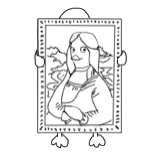
Завтра я нарисую картину.
Tomorrow I’ll draw a picture.
It means
Я только хочу рисовать картину, необязательно я закончу её.
I am going to draw tomorrow, but there is no guarantee that I’ll finish của tôi picture that day.
Я обязательно закончу картину.
I will finish the picture tomorrow.
That’s why the Perfective can be used only in the Past hoặc Thì tương lai, since the result can be either reached in past, hoặc it will be reached in future. Russians use the Imperfective for the Thì hiện tại, since the present is in progress.
If you require emphasizing in của bạn speech a necessity of fulfillment hoặc a desire to finish an action và achieve a result—use the Perfective.
Ví dụ:
Я сделаю это к вечеру!
Мы напишем отчёт через неделю!
Они уже поговорили с клиентом
If you need to say that the process of doing something is necessary và important, then use the Imperfective!
Ví dụ:
Я буду заниматься спортом !
Он будет говорить с директором после обеда.
Они уже делали отчёт на прошлой неделе.
Table of difference between two aspects
Imperfective
Perfective
-
Quá trình
Вчера я читал книгу.
Утром я ел бутерброд с сыром.
Завтра я буду покупать машину.
В воскресенье мы будем смотреть
спектакаль! -
Regularity of doing something
Мы каждое утро читали новости.
Он ежедневно пил кофе. -
Simultaneity of different actions
Друзья разговаривали, пили пиво и
слушали музыку
-
Result
Вчера я прочитал интересную
книгу.
Утром я съел три бутерброда!
Завтра я куплю новую спортивную
машину.
В воскресенье я обязательно
посмотрю новый спектакаль! -
Something is done (hoặc is going
to be done) only once
Сегодня мы прочитали прекрасные
новости!
Он сегодня выпил кофе с молоком,
хотя не любит молоко. -
Sequence of actions
Сначала они поговорили, потом
выпили пиво и только затем
послушали музыку.
The Perfective aspect of Tiếng Nga verbs is formed from the Imperfective by using different prefixes và suffixes.
Imperfective
Perfective
- to watch
- to listen to
- to play
- to work
- to go for a walk
- to breakfast
- to lunch
- to dinner
- to call
- to give (as a present)
- to dance
- to eat
- to drink
- to draw
- viết
- to read
- to pay
- Смотреть
- Слушать
- Играть
- Работать
- Гулять
- Завтракать
- Обедать
- Ужинать
- Звонить
- Дарить
- Танцевать
- Есть
- Пить
- Рисовать
- Писать
- Читать
- Платить
- Prefixes
- Посмотреть
- Послушать
- Поиграть
- Поработать
- Погулять
- Позавтракать
- Пообедать
- Поужинать
- Позвонить
- Подарить
- Потанцевать
- Съесть
- Выпить
- Нарисовать
- Написать
- Прочитать
- Заплатить
- to finish
- to study
- to answer, to re
- to show
- kể / nói
- to buy
- to start
- to take
- to speak
- Кончать
- Изучать
- Отвечать
- Показывать
- Рассказывать
- Покупать
- Начинать
- Говорить
- Брать
- Suffixes
- -и-
- Кончить
- Изучить
- Ответить
- -a-
- Показaть
- Рассказaть
- The verb is shortened
- Купить
- Начать
- Other verbs
- Сказать
- Взять
Aspects of verbs denote tenses
The Perfective can be used only in the Past hoặc Thì tương lai, since the result can be reached only in past, mộtnd there is still a chance that there will be a result in future. Also please note that verbs in the Perfective aspect in the Thì tương lai change persons as verbs in the Imperfective aspect in the Thì hiện tại.
Imperfective
Perfective
1. Thì quá khứ
Он смотрел, писал, работал, жил
Она смотрела, писала, работала, жила
Они смотрели, писали, работали,
Он посмотрел, написал, поработал, прожил
Она посмотрела, написала, поработала, прожила
Они посмотрели, написали,
2. Thì hiện tại
Я смотрю
Ты смотришь
Он/она смотрит
Мы смотрим
Вы смотрите
There is no perfective form
3. Thì tương lai
- Я буду
- Ты будешь
- Он/она будет смотреть
- Мы будем
- Вы будете
- Я посмотрю
- Ты посмотришь
- Она/она посмотрит
- Мы посмотрим
- Вы посмотрите